
How to make a seating chart for an Indian wedding
2 min read Updated October 14, 2026

Seating three hundred guests, two families and every aunty with an opinion is a puzzle. The good news is that most Indian wedding events do not need assigned seats. Here is when you need a chart, how to build one, and how to get guests to the right table without an easel at the door.
Which events need a seating chart
The Mehendi, Haldi and ceremony are usually open seating. The Reception, and sometimes a sit-down Sangeet or welcome dinner, are where a chart pays off: dinner service runs smoothly, elders get good seats and nobody hovers looking for a chair.
Start from the guest list, not the floor plan
- Use your RSVPs for that event. Seat the people who are coming to the Reception, not your whole guest list.
- Seat households together first, then fill tables with friends and colleagues.
- Tag guests by side and relationship so you can build tables like “Bride’s college friends” or “Groom’s side elders” in one go.
Rules of thumb that save arguments
- Put grandparents and elders close to the stage and away from the speakers, with an easy path to the restrooms.
- Seat each family near their own side of the room, with mixed tables in between.
- Keep a kids’ table near their parents, not across the hall.
- Leave one or two flexible tables for last-minute guests. There will be some.
- Round tables of 8 to 10 work well for conversation; long rectangular tables fit more people in a narrow hall.
Help guests find their seat
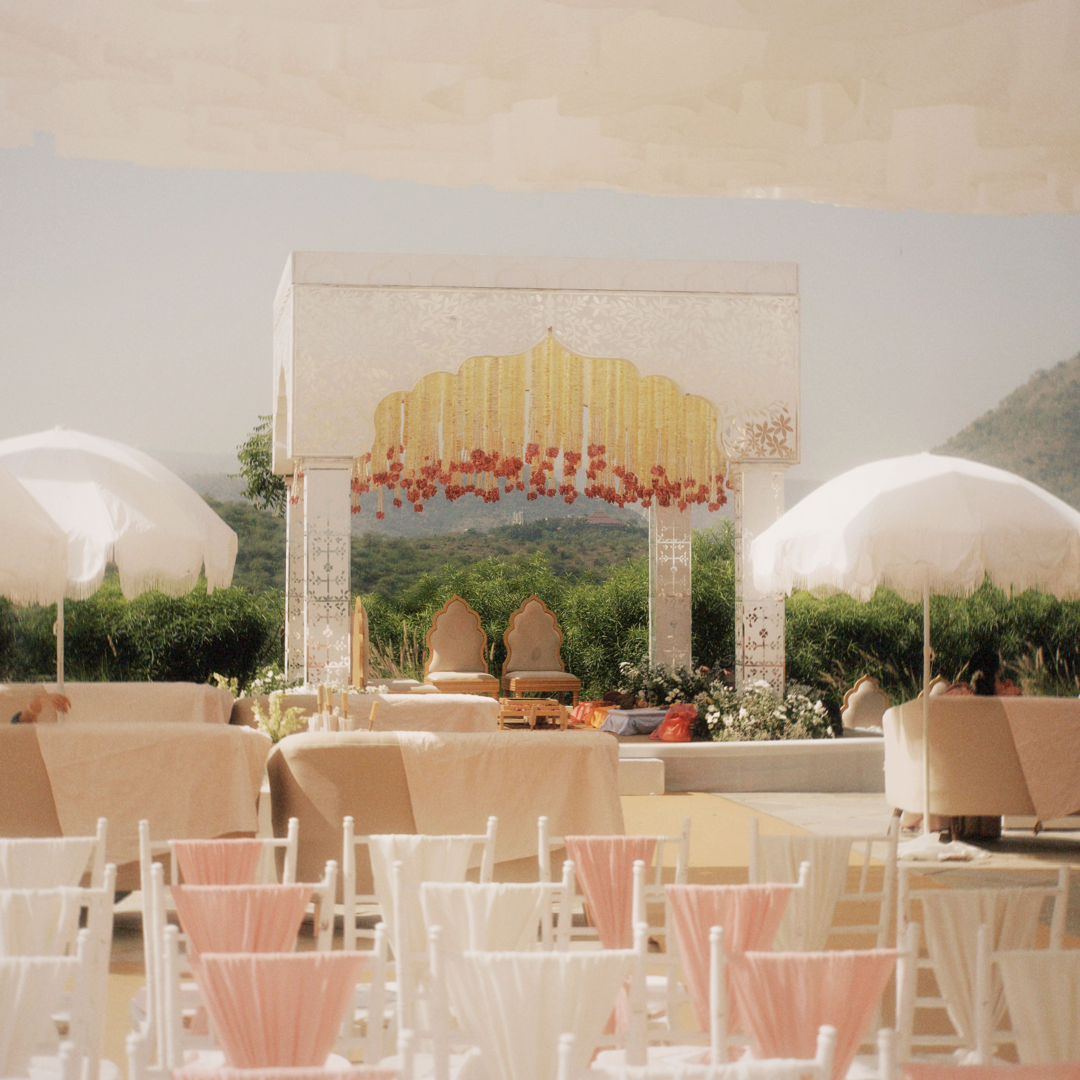
Instead of a printed board that two hundred people crowd around, put a QR code at the entrance. With Pyaar & Prema seating charts, guests scan the event’s QR poster, find their table on their own phone, and see the day’s timeline on the same page. Event reminders on WhatsApp can link to the seating too, so many guests know where to go before they arrive.
Frequently asked questions
Usually only the Reception and other sit-down dinners. The ceremony, Mehendi and Haldi are normally open seating.
Seat households together, keep each side roughly on its own half of the room, and put mixed tables of friends between them. Seat elders near the front.
Put a QR code at the entrance that opens a find-your-seat page, so guests look up their table on their phone.
After the RSVP deadline, one to two weeks before the event, then make small changes as late replies come in.
Tools for this
- Seating chartSeating charts for every event, with a QR code guests scan to find their table.See how it works
- Guest listImport guests, group households, tag sides and relations, and plan every event’s list.See how it works
- RSVPsCollect RSVPs per event, with your own questions, for every function of the wedding.See how it works
Keep reading
Indian Wedding Planning Checklist & Timeline
A month-by-month timeline from engagement to the Reception, built around multiple events.
2 min read
Guest List for a Multi-Day Indian Wedding
One master list, households, tags and a different invite list for every event.
2 min read

WhatsApp Wedding Invitation Messages & Wording
Copy-ready invitation, reminder and thank-you messages for every event of the wedding.
3 min read